
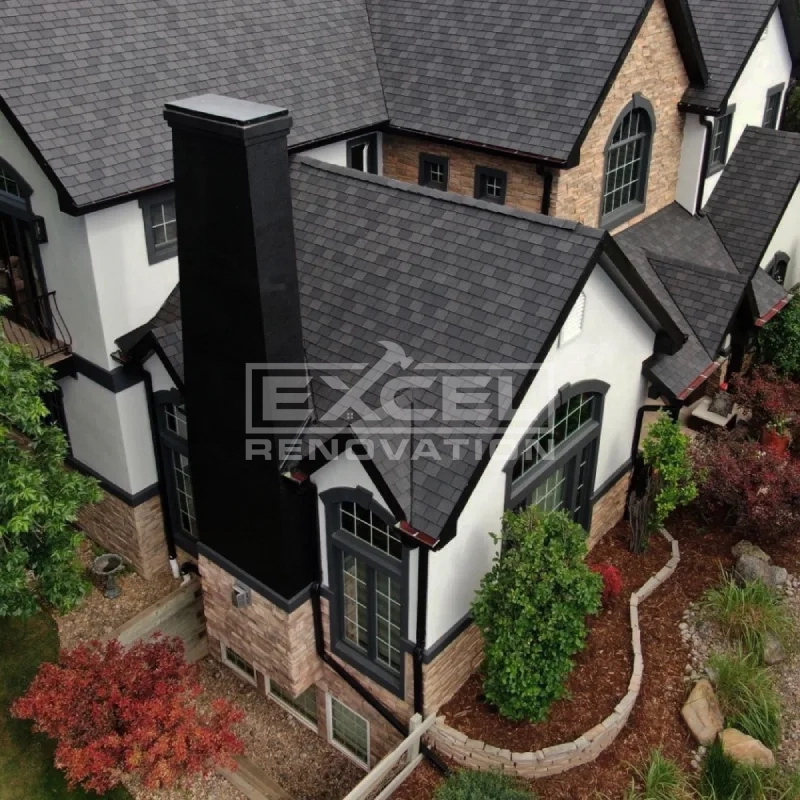
Big home repair projects like roof replacements are often completed during spring and summer – but don’t count out the fall months. In the Twin Cities area, fall is arguably the best season to replace your roof for a few different reasons. Continue reading to learn more about the benefits of fall roof replacements.
4 Benefits of Replacing Your Roof During Fall in MN
1. Milder Weather
Fall weather tends to be milder and more predictable than during other seasons in Minnesota. There aren’t usually blazing hot days like summer, extremely rainy days like spring, or bitterly cold and snowy days like winter. In the Twin Cities, daytime highs in September and October usually sit between 45°F and 70°F. The cooler temperatures of early-to-mid fall are good for a lot of roofing materials, like asphalt shingles and aluminum panels. Asphalt shingles cure properly when they can settle without being baked in extreme heat, and shingle sealants and adhesives tend to behave more predictably.
2. Easier Scheduling
Roofing contractors in the Twin Cities are often busiest between late spring and the end of summer, when most homeowners choose to have a new roof installed. Opting for a fall roof replacement can give you faster and more flexible scheduling. Additionally, roofing crews tend to work more efficiently in mild fall weather, so projects may finish faster and with fewer weather-related delays. There’s also potential for better pricing compared to mid-summer when everyone wants a new roof.
3. Pre-Winter Protection
Winter can be a tough season for roofs in the Twin Cities metro; extreme cold, heavy snowfall, ice dams, and the freeze-thaw cycle can all be detrimental to the integrity of your roof. Replacing your roof during fall helps your insulation, ventilation, flashing, and other roof components perform better when winter comes. If your current roof is showing signs of wear and tear such as missing shingles or warped underlayment, fall roof replacement reduces the risk of leaks and interior damage over winter.
4. Long-Term Roof Integrity
Beyond the immediate benefits, roofs installed during fall in the Twin Cities may last longer than those installed during other seasons. This is because components like adhesives, sealants, and shingles all perform better when installed within the ideal temperature range found in early-to-mid fall. The following issues can often be avoided with a fall roof replacement:
- Lifting shingles
- Weak bonding
- Premature shingle cracking or warping
- Sealant failures
Things to Consider About Fall Roof Replacement
Although replacing a roof during fall in the Twin Cities area is a wise idea, there are some things you should be aware of:
- Fall weather in Minnesota can change quickly. You might get a nice, warm day, followed immediately by sudden cold snaps, early snow, or heavy wind and rain. It’s important that your roofing contractor monitors forecasts and plans accordingly.
- Later on in fall, days start to get shorter. That can reduce how many hours per day roofing crews can work, possibly stretching out the project.
- There’s a risk of early snowfall or freezing, particularly in late fall. If roof sheathing or materials get wet and then freeze, this can create problems. To avoid this, try to schedule with your Twin Cities roofer so that the roof replacement is done by late October or early November if not before.
- Work with a roofing company that has experience with the Twin Cities climate. They’ll know how to handle the cold nights, quick temperature drops, and snow risks of fall roofing work.
Schedule Roof Replacement in the Twin Cities This Fall
Do you want to schedule a roof replacement for your home this fall? Contact Excel Renovation today if you’re in need of professional roof replacement services in the greater Twin Cities area!